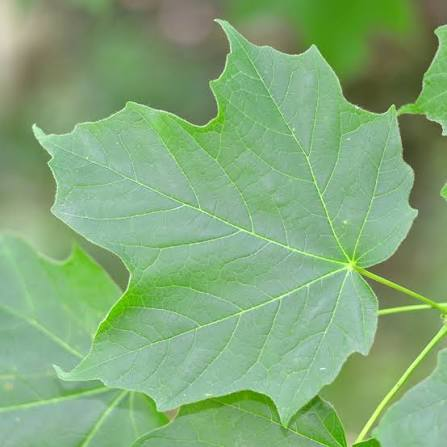

Maple - Black | 12-24"
400+: -$2.39 each · 100-399: $2.89 each
Black Maple (Acer nigrum)
An impressive native shade tree with dark green foliage, rugged bark, and beautiful autumn color.
Black Maple is a long-lived hardwood closely related to Sugar Maple, valued for its dense, rounded crown and adaptability to a range of growing conditions. Its darker bark and distinctive leaves—often three-lobed with drooping edges—help set it apart from its close relative. In fall, the foliage can turn shades of yellow, orange, and red, making it a striking choice for spacious landscapes, parks, and naturalized plantings. Black Maple can also be tapped for maple syrup.
🌿 Key Features
🌎 Native North American Tree: Naturally occurs across parts of the eastern and central United States and southern Canada.
🍁 Distinctive Foliage: Dark green leaves are often three-lobed, with drooping edges and a slightly hairy underside.
🍂 Colorful Fall Display: Leaves may turn yellow, orange, or red as temperatures cool.
🌳 Dense Shade Canopy: Develops a broad, rounded crown that provides generous shade at maturity.
🪵 Strong Hardwood: Its wood is valued alongside Sugar Maple for lumber, flooring, and furniture.
🍯 Maple Syrup Potential: Sap can be collected and boiled down to make maple syrup.
🐦 Wildlife Food Source: Birds feed on the seeds, while the tree also supports native moth caterpillars.
🌱 Growing Information
Mature Height: 60–80 feet, sometimes taller
Mature Spread: 40–60 feet
Sunlight: Full sun to partial shade
Soil: Prefers fertile, moist, well-drained soil; adapts to a range of soil types
Moisture: Moderate; performs best with consistent moisture and may struggle during prolonged drought
Growth Rate: Moderate, with faster growth when young
Hardiness: Generally USDA Zones 4–8
Pollination: Flowers are separate male and female flowers; trees may produce winged seeds when pollination occurs
Best Uses: Large shade tree, parks, spacious yards, woodland edges, native plantings, and maple syrup production.
🌳 Why Choose Black Maple?
Black Maple is an excellent option for anyone looking for a substantial, long-lived native hardwood with dependable shade and seasonal beauty. Its dark bark and distinctive leaves provide character throughout the growing season, while its colorful autumn foliage adds landscape interest. Closely related to Sugar Maple, it also offers value for wildlife and potential syrup production, making it a versatile choice for larger properties and conservation plantings.
Planting Note: Give Black Maple plenty of room to reach its mature size. Choose a site with good soil moisture and drainage, and avoid planting where the mature canopy will conflict with buildings or overhead utilities. Like other maples, it can release sap when pruned in early spring, so pruning is generally best scheduled for another time of year.
